 Morgan Barnhart
Business, Environment, Tech
Morgan Barnhart
As the driving force behind MorganBarnhart, our author is a passionate advocate for blending business acumen with technological innovation. With a background that spans both the entrepreneurial and tech worlds, they are dedicated to helping businesses navigate the complexities of the digital age. Read More
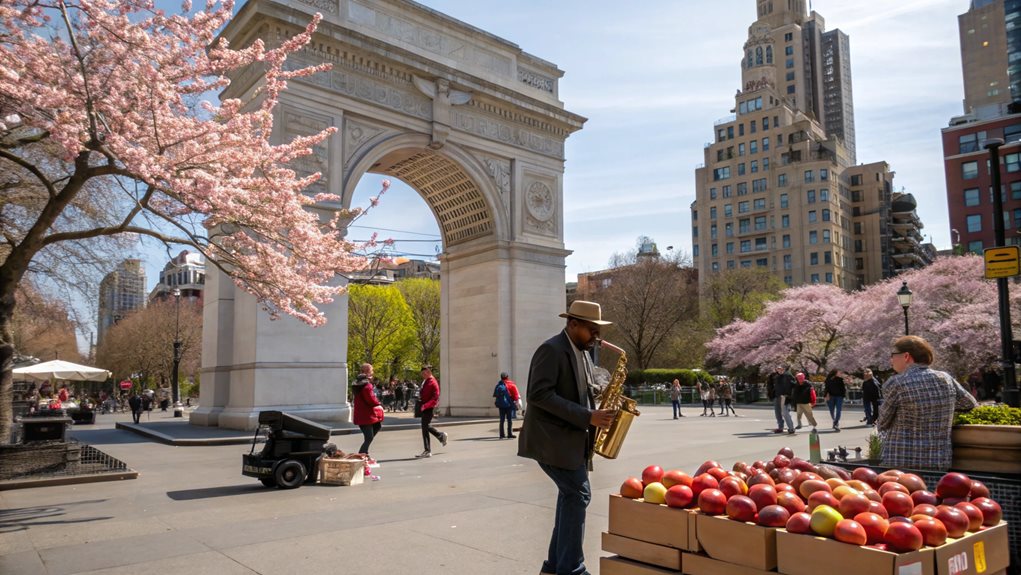
The nickname "The Big Apple" captured the spirit of New York City in the early 20th century, intertwining with the jazz scene and the bustling urban life. As you explore, you'll find iconic landmarks, from the Statue of Liberty to Central Park, reflecting the city's hope and resilience. Cultural events foster community engagement, while personal anecdotes enrich your understanding of this diverse city. Discover how these elements contribute to NYC's identity, revealing even more layers of its vibrant story.
As the Jazz Age roared to life in the 1920s, New York City began to embrace a vibrant identity that would ultimately lead to its nickname, "the Big Apple." This period, marked by innovation in music and culture, drew countless artists and dreamers enthusiastic to make their mark. The nightlife scene exploded with jazz clubs, where diverse audiences gathered to experience the cultural exchange that defined the era. The Harlem Renaissance emerged, showcasing profound artistic expression and reinforcing social movements aimed at racial equality. Musical innovation flourished, pushing boundaries and inspiring generations. The historical significance of this time can't be overstated; it laid the groundwork for New York's identity as a cultural capital, creating a legacy that resonates today.
The vibrant cultural landscape of New York City, shaped during the Jazz Age, naturally intertwines with its iconic landmarks, which further solidify its identity as "the Big Apple." From the towering presence of the Empire State Building to the bustling atmosphere of Times Square, these sites embody the city's spirit and allure. Their landmark symbolism and architectural significance reflect the ambitions and dreams of countless individuals who flocked to the city.
These landmarks serve as reminders of the Big Apple's enduring legacy.
When you think of New York City's vibrant culture, events like the Annual Apple Festival and Jazz in the Park come to mind. These celebrations not only highlight the city's apple-themed nickname but also showcase its rich artistic heritage and community spirit. By participating in these festivities, you get a taste of what it truly means to embrace the Big Apple identity.
Celebrating the vibrant identity of New York City, the Annual Apple Festival draws locals and tourists alike into a festive embrace of culture and community. This event not only showcases the beloved fruit but also embodies the spirit of the Big Apple. Through various festival activities, you'll find a delightful blend of tradition and innovation.
As you wander through the festival, you can appreciate how these experiences connect New Yorkers with their agricultural roots, reinforcing the essence of the city's identity. The Annual Apple Festival is a reminder that NYC's charm thrives in its diversity and shared love for community.
Jazz in the Park serves as a vibrant proof of New York City's rich cultural tapestry, inviting you to experience the soulful rhythms that define the pulse of the Big Apple. These park performances transform urban green spaces into lively stages, showcasing talented jazz musicians who embody the city's artistic spirit. As you settle onto the grass, the sounds of saxophones and trumpets fill the air, creating an atmosphere that feels both intimate and exhilarating. Each performance captures the essence of community, drawing diverse crowds together in celebration of a shared cultural heritage. It's here, in these moments of spontaneous connection, that you can truly appreciate how jazz not only reflects New York's identity but also unites its residents, reinforcing the city's nickname in vibrant strokes.
How do personal stories shape our understanding of a city like New York, often dubbed the Big Apple? Visitor anecdotes create a tapestry of experiences that foster personal connections to its vibrant culture. They turn abstract notions of the city into relatable narratives, deepening your appreciation for its unique essence.
Consider these shared experiences:
Each story adds layers to your understanding of NYC, transforming it from a destination into a cherished memory.
As you explore the cultural landscape of New York City, you can't help but notice how the nickname "the Big Apple" has evolved alongside its vibrant jazz scene and cinematic portrayals. Over the decades, films and media have not only shaped the city's identity but also attracted tourists enthusiastic to experience its allure firsthand. This nickname now encapsulates a blend of cultural significance and a sense of belonging that resonates with both locals and visitors alike.
While the vibrant sounds of jazz filled the air in New York City during the early 20th century, the nickname "the Big Apple" began to take on a new significance. This period marked a transformative time in jazz history, where the genre intertwined with the city's identity. Jazz influence became a hallmark of the cultural landscape, resonating with diverse audiences and artists alike.
Key elements of this evolution included:
These factors collectively shaped the Big Apple's reputation as a jazz capital, enriching the city's cultural essence.
Although the nickname "the Big Apple" originally emerged from the jazz scene, its evolution in film and media has solidified New York City's status as a cultural icon. Film portrayals of New York have often captured the city's vibrancy, chaos, and allure, embedding the nickname deeper into popular consciousness. Movies like "Breakfast at Tiffany's" and "Her" showcase the city as a backdrop for personal stories, enhancing its mystique. Media representation further fuels this image, with television series like "Friends" portraying life in Manhattan as aspirational. These portrayals not only reflect the city's diverse character but also shape how you perceive its identity. The Big Apple symbolizes ambition, creativity, and an endless pursuit of dreams, largely due to the lens of film and media.
Since the nickname "the Big Apple" became synonymous with New York City, it has evolved into a powerful symbol of tourism and cultural identity. Tourists flock to the city, seeking experiences that reflect its vibrant cultural representation. You may find yourself captivated by:
Each of these tourist experiences illustrates how the Big Apple embodies a mosaic of cultures, inviting you to immerse yourself in its dynamic essence. This evolution enriches your understanding of New York, transforming a simple nickname into a multifaceted identity.
New York City, often affectionately referred to as the Big Apple, embodies a vibrant tapestry of cultures, dreams, and opportunities. As you stroll through its bustling streets, you'll witness a true cultural melting pot, where diverse communities thrive side by side. This city isn't just a backdrop for individual stories; it's a dynamic ecosystem fueled by economic opportunities. From Wall Street's financial power to the creative domains of Broadway and beyond, NYC invites you to chase your ambitions. The energy here is palpable, inspiring innovation and collaboration among its residents. In this ever-evolving landscape, the Big Apple stands as a symbol of hope and possibility, reminding you that within its embrace lies the potential to realize your dreams.
The term "big apple" often symbolizes ambition and opportunity in various cultures. Its cultural significance reflects global perceptions of success, enticing many to chase dreams in a bustling metropolis renowned for its vibrant energy and diverse experiences.
The nickname "Big Apple" has shaped tourist experiences, enhancing NYC's allure. Marketing strategies leverage this iconic label, inviting visitors to explore its vibrant culture, diverse attractions, and unique adventures, ultimately boosting tourism and creating lasting memories.
While New York City's nickname evolved, rival cities like Chicago and Los Angeles often present their own monikers. These alternatives challenge NYC's identity, showcasing how urban competition shapes perceptions and influences cultural narratives.
Over time, the Big Apple's meaning evolved from a horse racing term to a symbol of cultural significance, reflecting New York's vibrancy. Understanding its historical context reveals how perceptions shifted, embodying ambition and opportunity.
Locals shape the Big Apple identity through their unique experiences and cultural narratives. Their stories, traditions, and daily interactions create a vibrant tapestry, reflecting the city's dynamic spirit and influencing how both residents and visitors perceive it.